

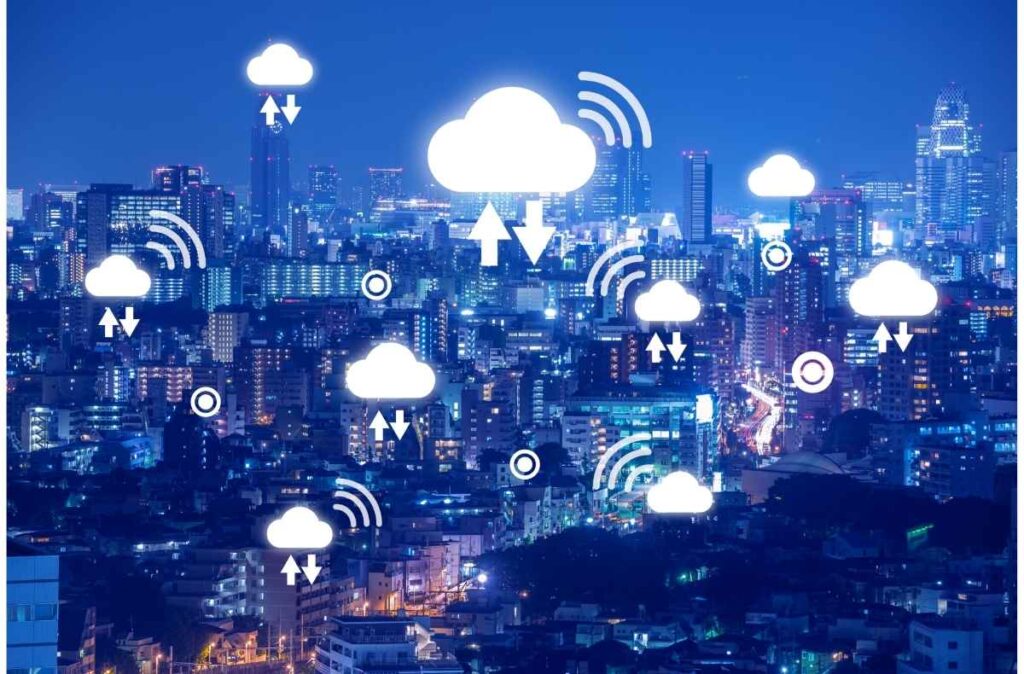
Facilities management technology trends for 2026 centre on digital twins for real-time building optimisation, AI-driven predictive maintenance, and IoT integration for smarter energy and space management. For Body Corporate Managers and Property Portfolio Managers in New Zealand, these tools deliver data-backed levy justification, reduced reactive costs, and seamless compliance reporting across multi-unit and dispersed assets. At Hallmark & Stone, we are beginning to integrate these advancements into our Facilities and Asset Management services for resilient, efficient buildings.
Table of Contents
Introduction – Facilities Management Technology Trends
Facilities management in New Zealand is entering a data-driven era where technology is shifting the role of a Body Corporate Manager or Property Portfolio Manager from reactive troubleshooter to strategic optimiser. With buildings consuming about 21 per cent of the country’s electricity and multi unit schemes facing pressure to reduce levies while improving performance, tools like digital twins, AI analytics and IoT sensors are becoming essential for managing complex ageing assets.
This post builds on our Facilities Management series, including What is Facilities Management, and Why is it Essential?, Key Components of Effective Facilities Management and Sustainability in Facilities Management: Best Practices. These trends are particularly relevant to our Facilities and Asset Management services, where we help clients leverage technology for better outcomes.
The Interconnected Ecosystem of 2026 Trends
The facilities management landscape in 2026 is defined by interconnected technologies that create a digital layer over physical buildings, enabling continuous monitoring, automated decisions and predictive interventions. These are not isolated tools but an ecosystem where IoT feeds data to digital twins, which in turn power AI models for optimisation.

For a Property Portfolio Manager overseeing multiple sites, this means unified dashboards showing performance across regions. For a Body Corporate Manager, it means committee-ready reports that justify maintenance spending with hard data on energy savings or failure risks. The shift reduces manual reporting burdens and supports the transparency demands of owners and regulators.
Facilities management industry trends to watch
Several technologies are accelerating adoption in 2026, driven by maturing platforms, falling sensor costs and regulatory pressure for energy reporting. Here are the ones Body Corporate Managers and Property Portfolio Managers should prioritise.
Digital twins for holistic building performance
A digital twin is a virtual replica of a physical facility, updated in real time with IoT data from HVAC, lighting, elevators and other systems. In facilities management, it enables scenario simulation, predictive maintenance and energy optimisation; for example, testing retrofit impacts before spending levy funds.
Pinnacle Infotech notes that digital twins extend asset life, reduce downtime and lower costs by enabling proactive interventions. In New Zealand multi-unit contexts, they are ideal for managing shared infrastructure like lifts and roofs across 30 to 100 unit schemes.
AI and machine learning for predictive insights
AI analyses patterns in building data to forecast maintenance, optimise energy use and prioritise work orders. MRI Software predicts that by 2026, AI will dominate preventive maintenance scheduling, using historical and real-time data to flag issues early.

For a Property Portfolio Manager, AI unifies analytics across dispersed assets. For a Body Corporate Manager, it generates digestible reports on capex risks that ease owner approvals. Twinview forecasts 2026 as the year digital twins become AI ready for faster decisions.
IoT and smart building integration
IoT sensors on plant and spaces provide the data backbone, tracking occupancy, air quality and usage for dynamic adjustments. Integration with building management systems cuts energy waste. ABC reports real time HVAC and lighting optimisation reduces utility costs significantly.
In body corporate settings, IoT supports compliance with health and safety by monitoring shared areas.
Advanced analytics and BIM evolution
Analytics platforms turn IoT and twin data into actionable forecasts, while BIM evolves into operational twins for lifecycle management. GHD highlights digital twins bridging design and operations for connected environments.
Future of facilities management
By 2026 and beyond, facilities management will be fully converged with proptech, where AI-ready digital twins orchestrate IoT ecosystems for autonomous optimisation. Expect augmented reality for on site diagnostics, blockchain for transparent contractor bidding and edge computing for low latency decisions in large schemes.
For Body Corporate Managers, this means less time on manual reports and more on strategic levy planning. Property Portfolio Managers gain portfolio-wide benchmarking. Challenges like data integration and skills gaps remain, but providers like Hallmark and Stone are bridging them through integrated services.
See our related posts on The Benefits of Outsourcing Facilities Management and How to Select the Best Facilities Management Partner in NZ for implementation guidance.
Conclusion
Technology trends like digital twins, AI and IoT are redefining facilities management from a cost centre to a value driver in 2026. For Body Corporate Managers and Property Portfolio Managers, early adoption means lower opex, stronger compliance stories and defensible maintenance decisions that align with owner expectations.
Hallmark and Stone’s Facilities and Asset Management services position clients to capitalise on these shifts, integrating proptech with proven governance for resilient, efficient buildings.
Frequently asked questions
What emerging technologies are shaping facilities management?
Digital twins, AI and machine learning for predictive maintenance, IoT sensors for real time data and advanced analytics for optimisation lead the field. These enable proactive asset management, energy efficiency and data driven reporting across building operations.
What is a digital twin in facilities management?
A digital twin is a dynamic virtual model of a building or facility that mirrors real world performance using live IoT data, BIM and analytics. It supports predictive maintenance, energy modelling and scenario testing to reduce costs and downtime.
How is AI used in facilities management?
AI processes building data to predict failures, optimise HVAC and lighting schedules, prioritise work orders and generate insights from patterns. It shifts managers from reactive to proactive, with tools forecasting maintenance to cut costs and extend asset life.
