

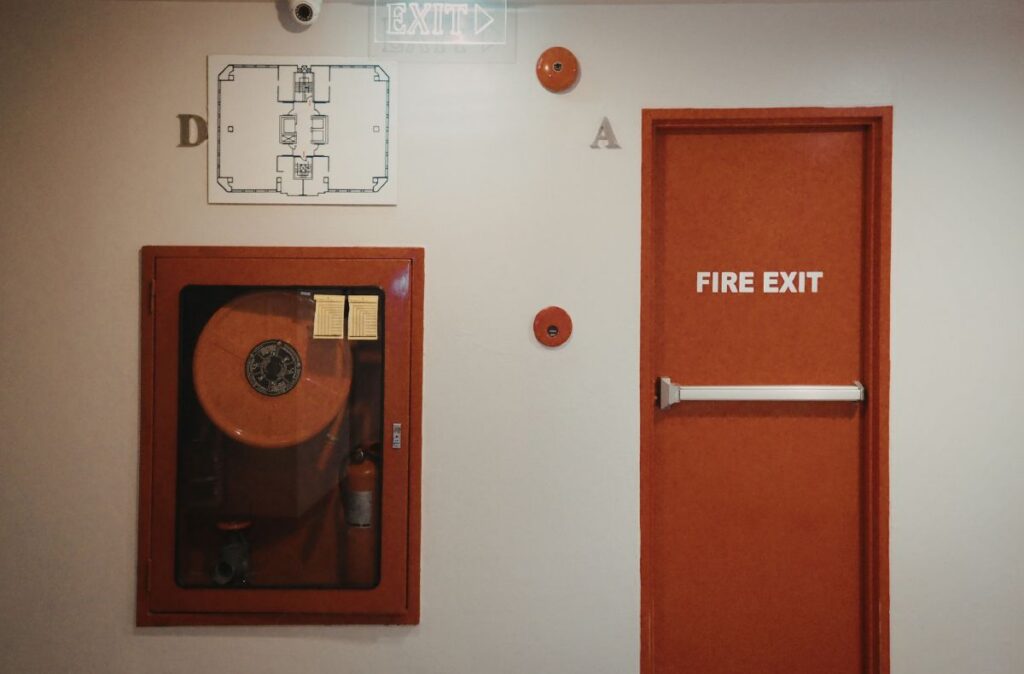
Fire and safety compliance in New Zealand is built on three pillars: working smoke alarms, safe means of escape and documented evacuation procedures. For Beginner Investors, Body Corporate Managers, and Property Portfolio Managers, a simple checklist backed by regular audits is the most reliable way to meet legal duties, protect people and avoid fines of up to $7,200 per rental and significant penalties for commercial buildings.
Introduction – fire compliance in New Zealand
Fire safety in New Zealand is not just a design issue; it is an operational discipline that runs for the entire life of a building. The Building Code requires buildings to provide appropriate warning systems, safe escape routes and clear signage so that occupants can move to a place of safety without unreasonable delay in a fire.
For a Beginner Investor, that may mean ensuring a single rental has compliant smoke alarms and clear exits; for a Body Corporate Manager, it involves coordinating alarms, fire doors, evacuation signage and trial evacuations across 30 to 100 units; for a Property Portfolio Manager, it includes managing evacuation schemes and specified systems in multiple commercial or mixed-use assets.
Importance of fire safety
Fire safety is a life safety issue first and a compliance issue second. New Zealand research and experience show that working smoke alarms and clearly marked exits significantly reduce the risk of death or serious injury in residential fires. Tenancy Services and Consumer NZ both stress that smoke alarms in rentals are a legal requirement because early warning can be the difference between a close call and a tragedy.
From an owner’s perspective, effective fire safety also reduces financial and legal risk. Landlords who fail to install or maintain compliant alarms can face exemplary damages of up to $7,200 per breach; tenants who tamper with alarms can be fined up to $4,000. Commercial building owners who ignore evacuation scheme obligations or allow specified fire systems to fall out of test can face enforcement under the Building Act and the Fire and Emergency New Zealand Act.
Key fire safety regulations every property owner must follow
Several overlapping laws and codes create the framework for fire and safety compliance in New Zealand.
· Building Code clauses C1 to C6 Protection from Fire
These clauses set performance requirements for managing fire spread, structural stability in fire, means of escape and fire fighting access; supported by Acceptable Solutions C/AS1 to C/AS7 and Verification Method C/VM2.
· Building Code clauses C4, F7 and F8: escape, warning and signs
Clause C4 requires buildings to provide means of escape so that occupants are not unreasonably delayed or impeded from reaching safety; clause F7 requires appropriate warning systems; clause F8 requires signage to identify escape routes.
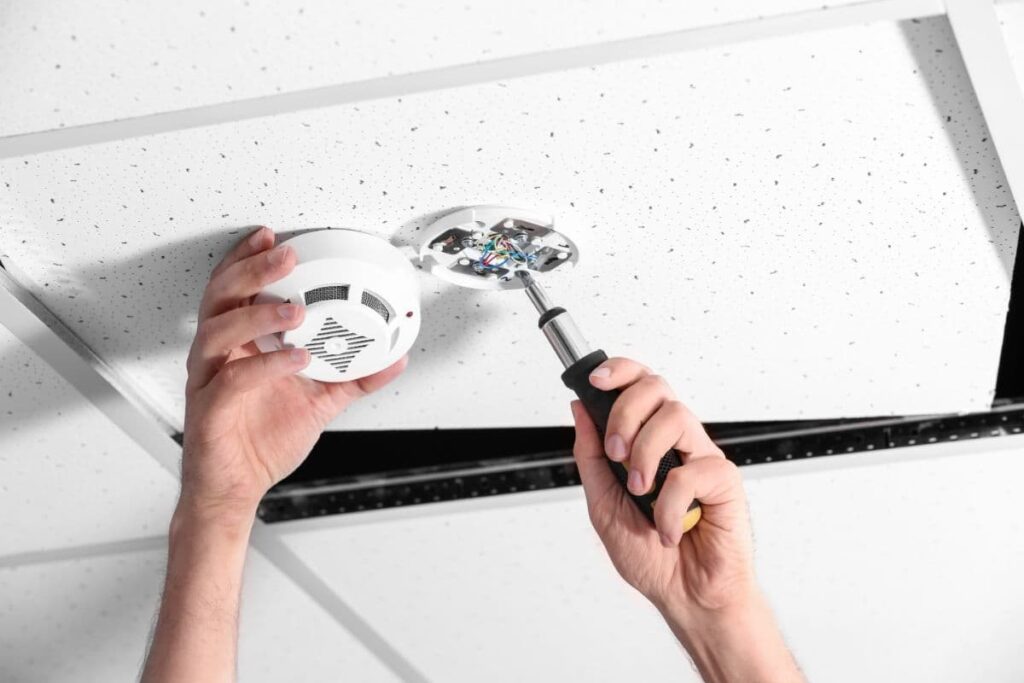
· Residential smoke alarm rules under the Residential Tenancies Act
All rental homes and boarding houses must have working smoke alarms on every level and either within three metres of each bedroom door or in every room where a person sleeps; alarms must be photoelectric and either hard-wired or have a battery life of at least eight years. Landlords install and maintain compliant alarms at the start of each tenancy, and must replace expired units; tenants must not remove or damage alarms.
· Fire and Emergency New Zealand Act 2017 and 2018 Regulations
Section 75 of the Act and the Fire Safety, Evacuation Procedures, and Evacuation Schemes Regulations 2018 require certain “relevant buildings” to have an approved evacuation scheme, including places where 100 or more people gather, where 10 or more people work and accommodation for six or more people, among others.
· Specified systems and Building Warrant of Fitness (BWOF)
Fire-related specified systems such as automatic fire alarms, sprinklers, smoke control systems, final exits, fire separations and evacuation signage must be inspected and maintained according to stated performance standards, then listed in the compliance schedule and BWOF. Owners are responsible for ensuring inspection, maintenance and reporting occur on the required timetable.
Beginner Investors mainly intersect with the residential alarm rules; Body Corporate Managers and Property Portfolio Managers must manage the additional layers of specified systems, compliance schedules and, for many buildings, FENZ-approved evacuation schemes.
Alarms, exits and inspections checklist
A practical checklist provides a view of what “good” looks like across fire detection, escape routes and inspections, whether you are a beginner investor, a body corporate manager, or you manage a property portfolio across New Zealand.
Smoke alarms and detection
For each dwelling or tenanted unit:
- Verify there is at least one working smoke alarm within three metres of every bedroom door or in every room where someone sleeps, and on each level in multi-storey homes.
- Confirm alarms are photoelectric, compliant with relevant international standards, and either hard-wired or fitted with long-life batteries.
- Test alarms at change of tenancy and at least every six months; record test dates and replacements in a simple register or software system.
- Ensure instructions to tenants explain that they must not remove or disable alarms and must report any faults promptly.
For multi-unit or commercial buildings:
- Maintain and test any interconnected alarm systems in line with the compliance schedule and manufacturer guidelines; ensure records are up to date for BWOF inspections.
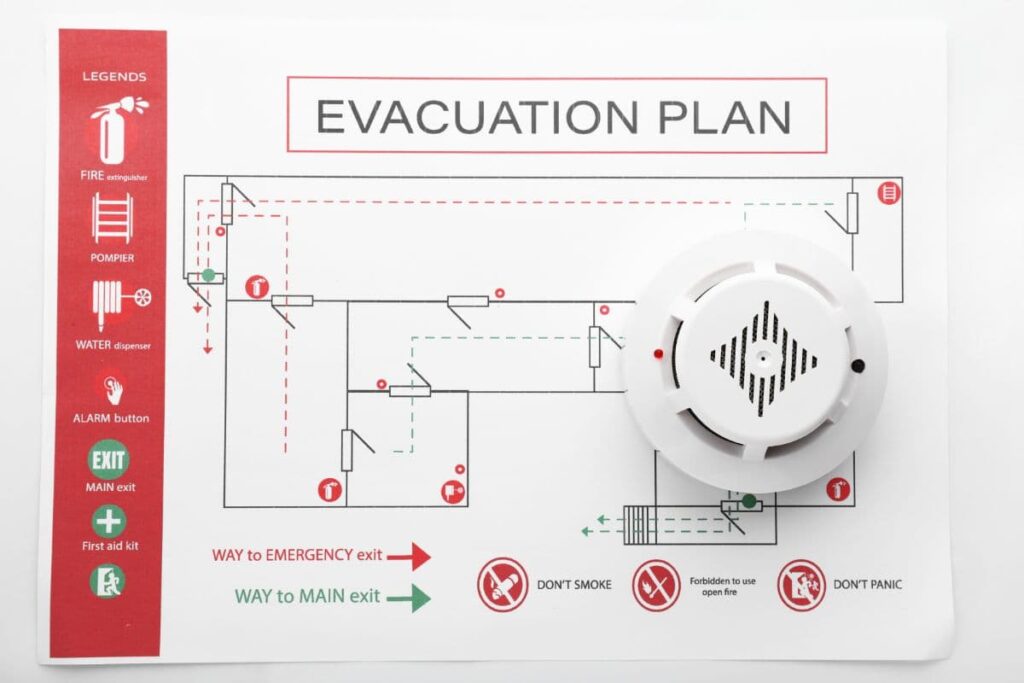
Exits, signage and escape routes
For all buildings:
- Check that exits and escape routes are kept clear of storage and obstructions at all times; this is critical in stairwells and common corridors.
- Ensure exit doors on escape routes open in the direction of travel where required and can be opened easily without keys or complex knowledge in an emergency.
- Provide F8 compliant signs that clearly identify escape routes and exits, visible even in smoky conditions; confirm they are placed logically and not obscured.
For multi-unit and commercial buildings:
- Display evacuation diagrams or procedure notices in common areas, lifts and near exits.
- If the building is a “relevant building” under the FENZ regulations, confirm there is an approved evacuation scheme and that contact details are current.
Inspections, testing and documentation
- Keep a building fire safety log recording smoke alarm tests, fire equipment inspections, trial evacuations and any faults or repairs.
- For buildings with specified systems, follow the inspection and maintenance procedures defined in the compliance schedule and guidance for fire-related systems, including final exits, fire separations, evacuation signage and smoke separations.
- Align internal checks with annual BWOF requirements where applicable, so evidence is easy to provide to councils and auditors.
For a Body Corporate Manager, integrating this checklist into regular building health reports and maintenance software makes it easier to demonstrate diligence to committees and insurers.
Compliance audits
Compliance audits turn the checklist into a measurable assurance process rather than a one-time task.
For Beginner Investors:
- Conduct an annual fire and safety review for each rental, ideally before winter; verify alarms, exits and any heaters or appliances are safe and recorded.
- Use external property inspections and smoke alarm service providers where time or geography make self-checks difficult.
For Body Corporate Managers:
- Schedule annual or semi-annual fire safety audits across all schemes, combining BWOF checks, specified system reporting and evacuation scheme reviews.
- Engage qualified fire engineers or risk management firms to review compliance with Building Code fire clauses and FENZ evacuation scheme requirements, especially where use or layout has changed.
- Coordinate trial evacuations in line with the approved evacuation scheme and keep logs of timing, issues and improvements.
For Property Portfolio Managers:
- Implement a portfolio-level fire compliance dashboard that tracks smoke alarm status in residential units, BWOF and specified system test dates in commercial assets and the status of all evacuation schemes with FENZ.
- Use this data to prioritise capital upgrades for high-risk buildings, such as those with ageing alarm systems or poor egress arrangements.
Specialist providers can also help retrieve existing evacuation scheme documentation from FENZ, identify gaps and manage submissions for new or updated schemes, which is particularly useful when acquiring new assets.
Conclusion
Fire and safety compliance in New Zealand is manageable when broken into clear responsibilities around alarms, exits, documentation and evacuation schemes. For a Beginner Investor, this means getting the basics right in each rental; for a Body Corporate Manager, it means systematising checks across common property and ensuring BWOFs and evacuation schemes are current; for a Property Portfolio Manager, it means treating fire compliance as a core portfolio risk with structured audits and data.
By following a practical checklist and backing it with regular compliance audits, property owners and managers can protect people, satisfy regulators and insurers and demonstrate that fire safety is integrated into everyday asset management, not left to chance.
Frequently asked questions
How do body corporates ensure fire compliance?
Body corporates are responsible for common property, which typically includes shared alarms, exits, fire doors and evacuation signage; they must ensure these fire-related specified systems are inspected, maintained and recorded in line with the building’s compliance schedule and BWOF obligations. Where the building is a “relevant building”, the body corporate as owner must also have an approved evacuation scheme with Fire and Emergency New Zealand and run trial evacuations in accordance with the scheme.
Who is responsible for fire safety in a rented property?
For residential rentals, the landlord is responsible for installing and maintaining compliant smoke alarms at the start of each tenancy and replacing expired units with photoelectric, long-life alarms; tenants must not damage or remove alarms and must report problems and, where applicable, replace user-replaceable batteries. In multi-unit buildings, the body corporate typically manages shared fire systems and evacuation procedures, while individual landlords remain responsible for alarms inside their tenanted units.
Do commercial properties need fire suppression systems?
Commercial buildings must comply with the Building Code fire clauses C1 to C6, which may require fire suppression systems such as sprinklers depending on building use, size, height and risk profile; where installed, these systems are listed as specified systems in the compliance schedule and must be inspected and maintained regularly. Many commercial buildings also meet criteria under the Fire and Emergency New Zealand Act for an approved evacuation scheme, so owners must ensure both suppression systems and evacuation procedures are in place and documented.
