

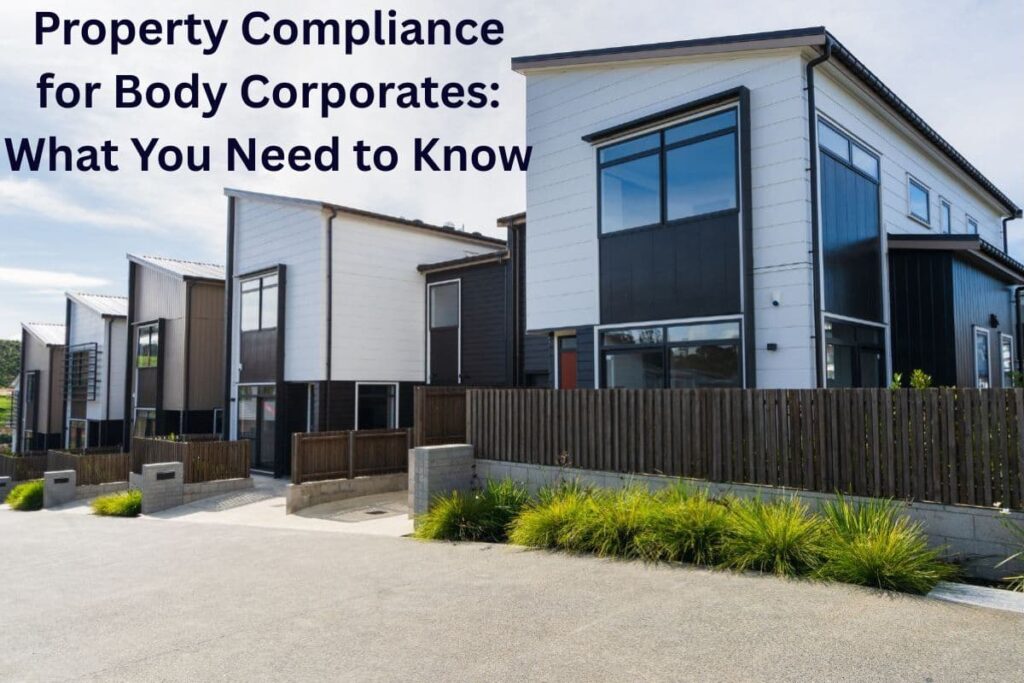
Introduction: The Increasing Importance of Body Corporate Compliance
Across New Zealand, body corporates face rising pressure to meet evolving compliance, safety, and reporting standards. From Wellington to Auckland, multi-unit dwellings must now demonstrate not only operational efficiency but also regulatory resilience, ensuring every aspect of building management, documentation, and safety aligns with the Unit Titles Act 2010, the Health and Safety at Work Act 2015, Fire and Emergency NZ (FENZ) requirements, and other key regulations.
For Body Corporate Managers, compliance isn’t only a legal necessity; it’s about protecting asset value, reducing liability, and maintaining trust with owners. But with each legislative change, from earthquake resilience standards to healthy homes integration, the administrative and financial demands grow. Hallmark & Stone specialises in helping New Zealand body corporates stay ahead of these challenges with structured, strategic property compliance systems developed for long-term performance.
Table of Contents
Specific Needs for Body Corporates
Body corporates differ from private landlords and commercial owners. They manage shared assets, communal infrastructure, and collective obligations across multiple stakeholders. This amplifies the risk and complexity of non-compliance.
Key needs include:
- Collective liability management: A single compliance breach (e.g., missing a Building Warrant of Fitness) can expose the entire ownership group to penalties.
- Committee oversight and transparency: Regular reporting and financial statements must meet owner and committee expectations.
- Multi-unit building systems coordination: Fire alarms, elevators, HVAC systems, and roofing maintenance require integrated management and often shared budgeting.
- Long-term capital works planning: The Unit Titles Act requires a Long-Term Maintenance Plan (LTMP), frequently underdeveloped or ignored in small-to-medium body corporates.
- Insurance clarity and renewal cycles: Collective insurance must meet thresholds for replacement cost and catastrophe coverage, especially after recent adjustments to EQC limits.
A competent Body Corporate Manager must navigate all these obligations within tight timelines and diverse owner priorities.
Key Regulations Affecting Body Corporates
1. Unit Titles Act 2010 and Unit Titles (Strengthening Body Corporate Governance and Other Matters) Amendment Act 2022
The foundation of all body corporate governance, requiring transparency in maintenance funds, financial planning, dispute resolution procedures, and annual general reporting. The 2022 amendment added stringent audit and disclosure standards to safeguard owners’ interests.
2. Health and Safety at Work Act 2015
Under this Act, a body corporate can constitute a “Person Conducting a Business or Undertaking (PCBU)”, especially if employing staff or contractors for maintenance. This imposes a duty to ensure a safe environment for residents, visitors, and workers.
3. Building Act 2004 and Building Warrant of Fitness (BWOF)
Multi-unit dwellings with specified systems (e.g., lifts, sprinklers) require annual inspections and certification. Non-compliance can incur fines up to $20,000, with ongoing penalties for daily breaches.
4. Fire and Emergency New Zealand (FENZ) Regulations
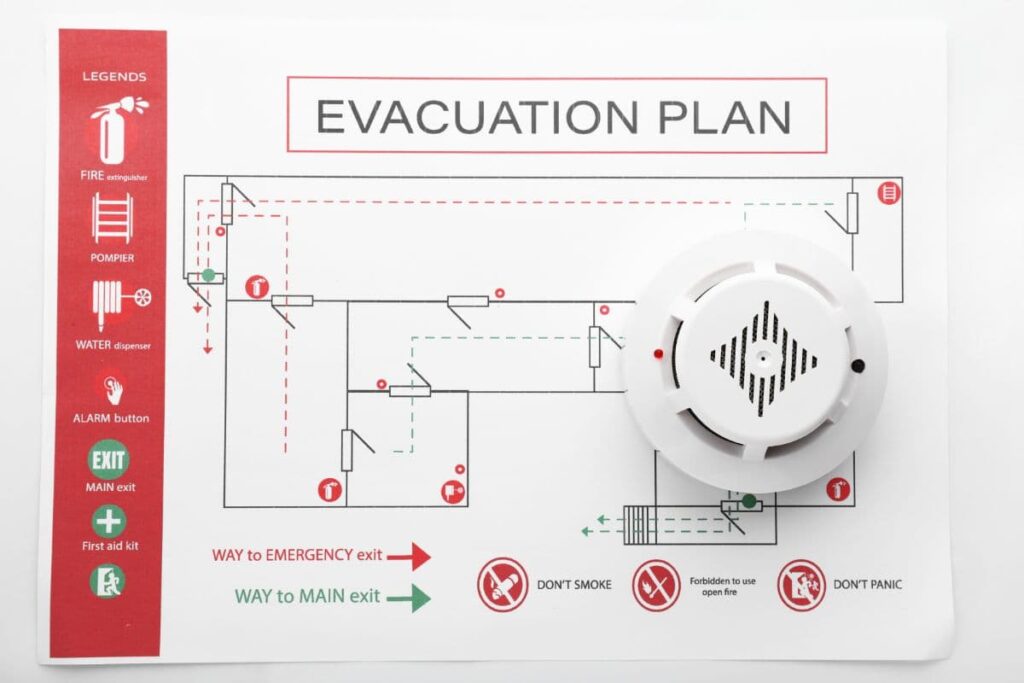
Bodies corporate must ensure fire safety systems, signage, and evacuation plans are up to date and tested regularly. Councils increasingly audit these as part of BWOF renewals.
5. Earthquake-Prone Buildings (EPB) Regulations
Regions like Wellington, Dunedin, and parts of Christchurch require seismic assessments. Failure to meet strengthening deadlines can restrict occupancy and reduce resale value. Compliance timetables vary, but proactive steps can protect insurance eligibility and lower long-term repair costs.
6. Privacy Act 2020
Even shared buildings must protect residents’ data, from security footage to email records, particularly when dealing with contractors or digital management platforms.
Key Legal Responsibilities of a Body Corporate
Body corporates carry joint and several liability, meaning a single owner’s oversight can harm the collective. Common legal obligations include:
- Maintain and insure common property to full reinstatement value.
- Prepare and review a Long-Term Maintenance Plan every three years, funding through a dedicated maintenance account.
- Engage licensed practitioners for electrical, construction, and safety compliance.
- Issue maintenance and financial reports prior to each Annual General Meeting.
- Ensure accessibility compliance under NZ Building Code Clause D1.
- Comply with all relevant safety standards – including structural, fire, and seismic requirements.
Failure to fulfil these responsibilities can expose the committee or manager to fines, personal liability, or insurance rejection.
How Hallmark & Stone Helps
Hallmark & Stone partners with New Zealand’s body corporates to simplify compliance and strengthen asset performance across every stage of the building lifecycle. Unlike generic management companies, our approach combines legislative insight, lifecycle planning, and digital traceability, built around the real-world challenges of body corporate managers.
Our tailored support includes:
- Annual Compliance Audits: Cross-referencing BWOF, FENZ, seismic, and health & safety standards in a single diagnostic report.
- LTMP Development and Review: Aligning 10+ year asset planning with statutory maintenance forecasts, reducing levy surprises.
- Fire and Safety Systems Management: Coordinating testing, certification, and professional reporting across multiple sites.
- Insurance and Risk Consulting: Ensuring coverage aligns with body corporate responsibilities under the Building and Unit Titles Acts.
- Digital Dashboard Reporting: Providing an always-on compliance view for committee reporting and owner transparency.
- Vendor Accreditation: Only verified, licensed contractors are approved for recurring maintenance, ensuring safety and regulatory traceability.
By integrating compliance, risk management, and financial planning, Hallmark & Stone transforms compliance from a burden into a competitive advantage. For Body Corporate Managers juggling owner relationships, budget constraints, and ageing infrastructure, this partnership reduces stress while protecting value.
Conclusion: From Reactive to Resilient
Compliance for body corporates isn’t just about avoiding penalties; it’s about building resilience into every operational layer. By staying ahead of changing regulations, maintaining transparent communication with owners, and leveraging qualified partners like Hallmark & Stone, Body Corporate Managers can shift from reactive firefighting to proactive asset stewardship.
For property groups managing multiple units, a robust compliance plan ensures not only legal protection but also enhanced capital growth, predictable OPEX, and peace of mind for every stakeholder.
Frequently Asked Questions
Does a body corporate need to have insurance?
Yes. Under the Unit Titles Act 2010, every body corporate must insure all buildings on the unit plan for full replacement value (unless a unanimous resolution states otherwise). This includes natural disaster and liability insurance. Without such coverage, committees and owners may face personal financial exposure if damage occurs.
How does earthquake compliance affect body corporates?
Body corporates in earthquake-prone zones must arrange seismic assessments and, where needed, strengthening works within prescribed deadlines under the Building (Earthquake-Prone Buildings) Regulations 2017. Failure to comply can void insurance, attract council penalties, or lower asset value.
Are body corporates responsible for fire safety compliance?
Yes. Fire systems fall under the building’s specified systems and require annual testing, maintenance, and documentation as part of the BWOF process. The committee must ensure compliance with Fire and Emergency NZ regulations and the Building Code (Clause C2–C6) for safe evacuation and suppression.
This article is part of Hallmark & Stone’s Property Compliance Series, which covers New Zealand’s essential building and compliance obligations for property owners and managers.
Related Posts
- Understanding Property Compliance: A Beginner’s Guide
- Essential Property Compliance Requirements in New Zealand
- How to Stay Updated on Changing Property Compliance Laws
- Common Compliance Mistakes and How to Avoid Them
