

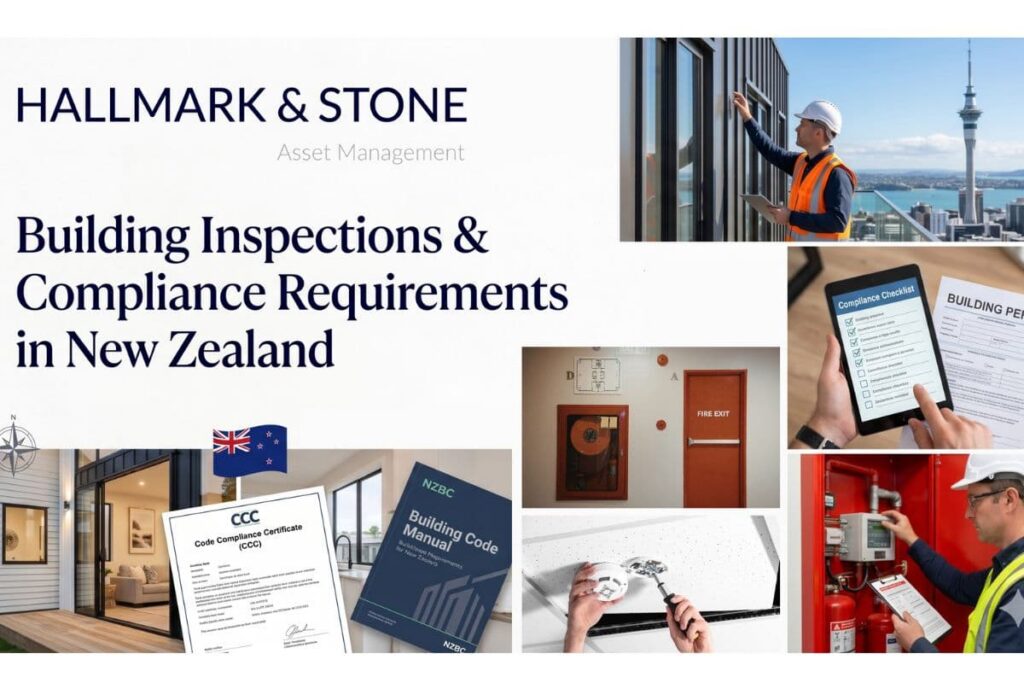
Building inspections in New Zealand follow a compliance framework built around the Building Act 2004, the Building Code, building consents, code compliance certificates and ongoing inspections for specified systems in certain buildings. For property owners, Body Corporate Managers and portfolio operators, the real goal is not just passing one inspection – it’s building a repeatable compliance system that prevents missed defects, reduces risk and keeps records ready for councils, insurers and auditors.
Table of Contents
Introduction – why building inspections matter
In New Zealand, building inspections are about more than checking whether a property “looks fine”. The system is designed to make sure buildings remain safe, healthy, durable and fit for use over their full lifecycle. That means inspections can occur during construction, at completion, on an ongoing basis for specified systems, and in some cases as part of tenancy or routine property management.
For a Beginner Investor, this may mean understanding when a rental needs a pre-tenancy or routine inspection. For a Body Corporate Manager, it means coordinating compliance schedules, BWOFs and council checks across shared assets. For a Property Portfolio Manager, it means tracking multiple buildings, each with different risk profiles, documentation and inspection frequencies.
How often should building assets be inspected in NZ?
Inspection frequency depends on the asset type, building use and legal obligations attached to it. There is no single universal timetable, because the Building Act and Building Code require different inspection cycles for different scenarios.
Common inspection frequencies include:
- Routine property inspections for rentals – Tenancy Services allows inspections no more often than once every four weeks, with at least 48 hours’ notice and no more than 14 days’ notice.
- Construction-stage inspections – Building consent inspections occur at key milestones during the consented work, such as foundation, framing, pre-line and final stages, depending on the project and council requirements.
- Specified systems inspections – Commercial or multi-unit buildings with systems such as lifts, sprinklers or fire alarms must follow the inspection and maintenance intervals set out in the compliance schedule, often including daily, monthly, six-monthly or annual tasks.
- Annual BWOF-related checks – Buildings with specified systems must file an annual Building Warrant of Fitness, backed by inspection records and test certificates.
- Condition-based or lifecycle inspections – Older assets, high-risk buildings or buildings with known defects should be inspected more frequently as part of a proactive asset management plan.
For a Body Corporate Manager, the practical answer is that the highest risk assets should be inspected on a planned cycle, while legally mandated systems must follow the specific compliance schedule.
What compliance checks are required for commercial buildings?
Commercial and mixed-use buildings often face the most structured inspection requirements because they usually contain specified systems and must demonstrate ongoing safety management.
Typical compliance checks include:
- Specified systems testing – verify alarms, sprinklers, emergency lighting, lifts, smoke control, fire doors and other listed systems are operating in line with the compliance schedule.
- Means of escape and signage checks – ensure escape routes are clear, exit signage is visible, emergency lighting works and doors are unobstructed.
- Compliance schedule maintenance – keep inspection, maintenance and reporting records available, usually on site or at the location identified in the compliance schedule.
- Code compliance and document retention – retain evidence of installer certificates, commissioning reports and test records for council review and future audits.
- Ongoing owner inspections – some buildings require daily or monthly checks, especially where crowd occupancy, higher risk use or active work sites are involved.
These checks matter because commercial buildings are often shared, high occupancy environments. For a Property Portfolio Manager, one missed document or expired test can affect insurance, occupancy and saleability across the entire asset.
Key New Zealand regulations and standards
Several laws and technical standards sit behind building inspection requirements in New Zealand. The most important are:
- Building Act 2004 – the primary law governing construction, alteration, maintenance and compliance of buildings.
- Building Code – sets minimum performance requirements for safety, health, durability, access, energy efficiency and fire protection.
- Building consent and code compliance certificate framework – councils or building consent authorities assess plans, inspect work and issue a CCC when the completed work matches the approved consent.
- Compliance schedules and BWOF requirements – for buildings with specified systems, owners must keep inspection and maintenance schedules current and file annual BWOF documentation.
- Fire and Emergency NZ evacuation and fire safety requirements – especially relevant for multi-unit and commercial buildings with evacuation scheme obligations and fire safety systems. Read more about Fire and Safety Compliance for NZ property owners.
- Tenancy Services rules – relevant where inspection relates to rental property access, frequency and notice periods.
The key concept is that inspections are not isolated events. They are part of a regulatory chain that starts with design and consent and continues through occupancy, maintenance and renewal.
Penalties for non-compliance
Non-compliance is expensive because councils and regulators can enforce at several stages of a building’s lifecycle.
Possible consequences include:
- Delays to CCC or occupancy – if construction work fails inspection or documentation is incomplete, councils can withhold final signoff.
- Infringement and prosecution risk – failure to maintain specified systems, file BWOFs or keep compliance records can trigger council enforcement action under the Building Act.
- Project delays and rework costs – missed stage inspections can force builders to reopen walls, retest systems or redo work to satisfy the consent authority.
- Higher insurance and asset risk – unresolved compliance issues may affect premiums, lender confidence and sale negotiations, especially for commercial or body corporate assets.
MBIE has also introduced new timeframes for building consent authorities, requiring at least 80 per cent of inspections to be completed within three working days of request, which makes correct scheduling and documentation even more important for property owners and managers. That does not reduce the owner’s responsibility; it simply improves the timeline for getting inspections completed.
Read more: The Cost of Non-Compliance: Risks and Penalties in NZ
How a property manager helps
A strong property manager or facilities partner turns building inspections from a reactive admin task into a managed compliance workflow.
For a Beginner Investor, that might mean coordinating tenancy inspections, arranging remedial work and keeping records of smoke alarms or damage issues. For a Body Corporate Manager, it means aligning council inspections, compliance schedules, contractor reports and AGM reporting into one system that owners can understand. For a Property Portfolio Manager, it means standardising the inspection calendar across multiple assets, so no building falls through the cracks.
A good manager will also:
- Track deadlines for compliance schedules, BWOFs and council submissions.
- Coordinate with building consent authorities and qualified inspectors.
- Maintain a digital audit trail of inspections, certificates and rectification work.
- Prioritise risks and capital works so the most urgent issues are funded first.
- Help committees and owners explain inspection findings and required spend in plain language.
That combination of governance, documentation and lifecycle planning is where Hallmark and Stone adds value beyond basic property management.
Read more: Property Compliance for Body Corporates: What you need to know
Conclusion
Building inspections in New Zealand are not just a box-ticking exercise. They are the backbone of safe, legal and durable property ownership, especially for commercial and multi unit buildings with specified systems and ongoing compliance obligations.
For property owners, Body Corporate Managers and portfolio operators, the smartest approach is to connect inspections to a broader asset management system that tracks maintenance, compliance schedules and legal deadlines. That is what reduces risk, protects value and ensures the building is always ready for the next council, insurer or committee review.
Frequently asked questions
What is a Code of Compliance certificate?
A Code Compliance Certificate, or CCC, is issued by the building consent authority when it is satisfied that building work completed under consent complies with the Building Code and consented plans. It is an important proof point that the work has passed the required inspections and meets regulatory requirements.
What is the difference between a building permit and a building consent?
In New Zealand, the correct term is usually building consent rather than permit. A building consent is formal approval from the council or building consent authority to carry out building work, while the permit term is more commonly used informally or in other jurisdictions.
What are the different types of building inspection?
Common types include pre-purchase inspections, routine landlord inspections, council consent inspections during construction, compliance schedule inspections for specified systems and annual BWOF-related checks. Some buildings also require fire safety, evacuation and owner inspections depending on their use.
What do Body Corporate Managers have to do to achieve building compliance?
They must make sure the body corporate meets its obligations for common property, which can include maintaining compliance schedules, arranging inspections for specified systems, keeping records and coordinating remedial work. They also need to ensure council and contractor documentation is available for BWOFs, audits and annual reporting.
What is the difference between building code compliance and building content?
Building code compliance refers to whether the building meets the legal performance requirements set by the Building Code and associated regulations. Building content is not a formal compliance term in this context; if you mean the physical building fabric or fit out, that is assessed against the Code and consent documents rather than a separate “content” standard.
What happens in a building consent inspection?
A building consent inspection checks that the work at a specific construction stage matches the approved plans and complies with the Building Code. If issues are found, the inspector can require a hold point or remediation before the project can proceed to the next stage.
What buildings require building consent inspections?
Any building work that requires a building consent will usually involve council inspections at key stages, and many commercial or multi-unit buildings with specified systems also require ongoing compliance inspections under a compliance schedule. The exact requirements depend on building use, scope of work and whether the building contains systems like sprinklers, lifts or fire alarms.
How do Body Corporate Managers facilitate building consent inspections?
They coordinate access with contractors, owners and council inspectors, make sure required documents are ready and follow up on any defects or remedial works identified during inspection. In practice, they act as the central organiser so inspection milestones are met without delays to the body corporate’s project or compliance timeline.
Related Posts
- Common Property Compliance Mistakes and How to Avoid Them
- How to Stay Updated on Changing Property Compliance Laws
- Essential Property Compliance Requirements in New Zealand
- Understanding Property Compliance: A Beginner’s Guide
