


Healthy Homes Compliance for NZ Body Corporates
While the Healthy Homes Standards apply directly to individual landlords under the Residential Tenancies Act 1986, they significantly impact Body Corporates in multi-unit buildings. Landlords often cannot achieve compliance, such as installing external heat pump compressors or cutting cladding for extractor fans, without altering common property. This forces Body Corporates to actively manage rule modifications, preserve building weathertightness, and process structural alterations to shield unit owners from substantial regulatory penalties.
In Wellington, the challenge is even more acute. Our city’s high wind zones, older structural conversions, and complex architectural access requirements create a unique environment where compliance is not just about meeting a standard; it is about navigating structural and legal boundaries. At Hallmark & Stone, we specialise in guiding committees through these complex intersections of the Unit Titles Act 2010 and the Residential Tenancies Act.
Table of Contents
Introduction: The Overlap of Two Pieces of Legislation
The core friction in modern multi-unit compliance is a conflict between two powerful pieces of legislation. The Residential Tenancies Act 1986 demands landlords meet strict benchmarks for heating, insulation, and ventilation. However, the Unit Titles Act 2010 and its 2022 Amendment Act dictate that landlords cannot touch common property to do so.
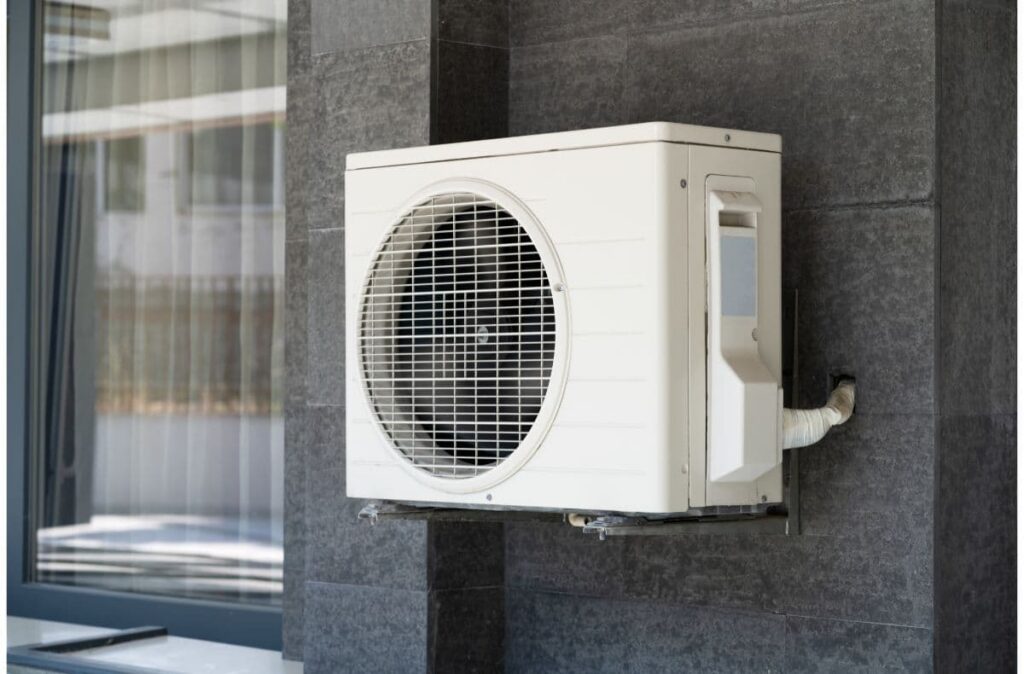
When a landlord in a Wellington apartment attempts to install a compliant heat pump, they often need to drill through the exterior cladding or mount a compressor on a shared balcony. These areas are common property, managed by the Body Corporate Committee. This creates a “trap” where the landlord is legally liable for compliance, but structurally incapable of achieving it without the Body Corporate’s permission.
This is not a standard property management issue. It is a matter of governance, asset protection, and structural risk mitigation. Body Corporates must actively manage these requests to ensure they do not jeopardise the building’s integrity or the collective insurance of the owners.
The Five Pillars of Healthy Homes and Their Common Property Flashpoints
To understand the risk, we must look at the specific requirements of the Ministry of Business, Innovation and Employment (MBIE) standards and how they clash with the building envelope.
1. Heating
Healthy Homes requires a fixed, compliant heater. In apartments, this usually means a split-system heat pump.
- The Flashpoint: Placing bulky compressor units on shared balconies or drilling through structural exterior walls.
- The Risk: Unapproved mounting can damage the building envelope, create noise disputes for neighbours, and compromise the weathertightness warranty.
2. Ventilation
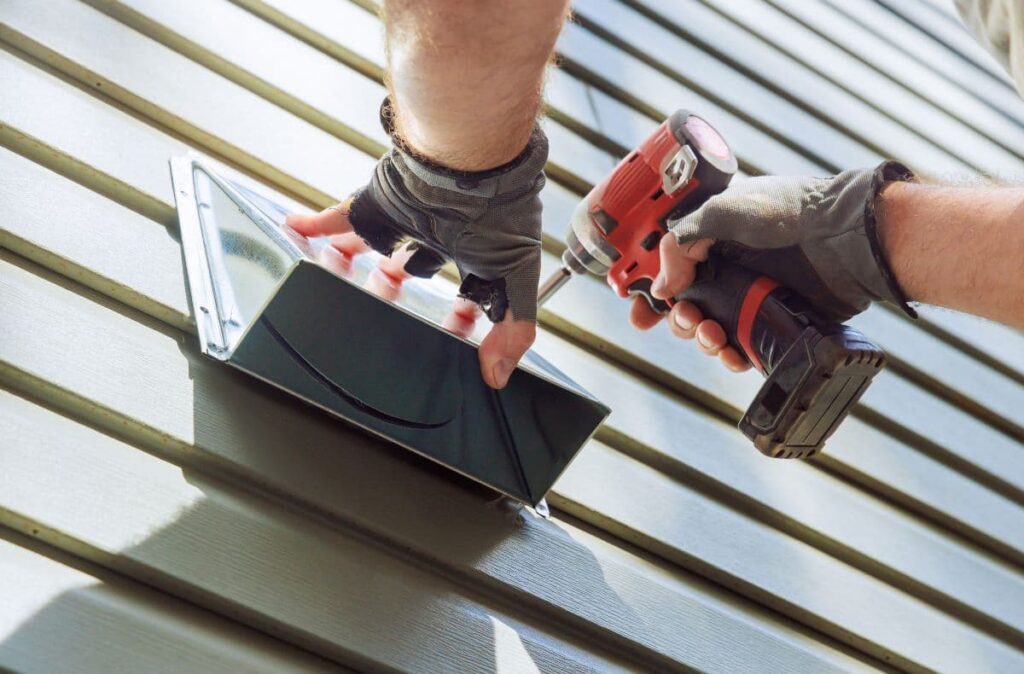
Standards require extractor fans in kitchens and bathrooms.
- The Flashpoint: Venting through common building facades or shared utility risers.
- The Risk: Incorrectly installed fans can penetrate the building envelope, leading to moisture ingress and acoustic failure. This threatens the integrity of the shared walls and ceilings.
3. Insulation
Landlords must meet minimum insulation standards.
- The Flashpoint: Accessing shared ceiling voids or collective subfloors that fall under body corporate jurisdiction.
- The Risk: Individual landlords cannot unilaterally install insulation in common roof spaces. This requires coordination with the Body Corporate and integration into the Long-Term Maintenance Plan (LTMP).
4. Moisture Ingress
The building must be free from water leaks.
- The Flashpoint: Any penetration of the cladding or roofing without proper weathertightness warranties.
- The Risk: Haphazard cladding penetrations by individual contractors can jeopardise entire building insurance policies or collective structural guarantees.
5. Draught Stopping
Gaps must be sealed to prevent draughts.
- The Flashpoint: Sealing gaps in floors or walls that connect to common areas.
- The Risk: Incorrect sealing can trap moisture or interfere with fire safety barriers.
Proactive Governance vs. Collective Financial Risk
The solution to this trap is proactive governance. It is not about blocking landlords; it is about protecting the asset.
Tim Taylor (Managing Director) emphasises the importance of transparency and balancing individual needs with strict regulations.
“Navigating complex local regulations requires a baseline of absolute transparency and practical, tailored advice. When it comes to compliance standards like Healthy Homes in multi-unit settings, proactive governance shields committees and owners from collective liability while protecting the overarching asset value.”
Forward-thinking committees use design registries to pre-approve standard heat pump models and locations. This ensures that any installation is approved before a contractor drills a hole in the cladding.
Sam Taylor (Director) focuses on the financial and structural risk.
“Aligning long-term compliance tracking with strict budgeting and digital traceability gives committees peace of mind. If individual upgrades compromise building weathertightness or require structural adjustments, it stops being a private landlord problem and becomes a collective financial risk that must be actively managed.”
This is critical for weathertightness warranty risk. If a landlord installs a fan and leaks, the repair cost is not just for that unit. It could mean repairing the entire shared wall. The Body Corporate must require owners to use certified contractors who supply explicit weathertightness warranties for their specific work.
The “Reasonable Endeavours” Threshold and Exemptions
A landlord cannot ignore the law simply because a building is under a body corporate structure. The strict legal reality is that the landlord must formally apply for a body corporate rule variance or common property modification.
If the committee genuinely cannot grant access due to structural limitations, such as a shared cavity that cannot be penetrated, the landlord may apply for a partial exemption. However, this requires proof that they have made reasonable endeavours to comply. A flat refusal by the Body Corporate without offering a solution is not “reasonable endeavours.” The committee must work constructively to find viable, alternative structural solutions.
This process is a key part of multi-unit housing compliance in New Zealand. It requires the Body Corporate to manage operational rules modification to allow for necessary upgrades while preserving the building’s integrity.
Frequently Asked Questions (FAQ)
Can a body corporate completely ban heat pumps on balconies?
A body corporate can regulate the placement, noise levels, and aesthetic design of external heat pump compressors to maintain uniformity and minimise disruption. However, because landlords face heavy legal penalties for non-compliance, committees must work constructively with owners to find viable, alternative structural solutions rather than issuing a flat refusal.
Who pays for building cladding repairs if a healthy homes ventilation install leaks?
If an individual landlord hires a contractor to penetrate the building envelope for an extractor fan, that owner remains financially liable for any failure. To mitigate this collective risk, robust body corporate management teams require owners to use certified, body-corporate-approved contractors who supply explicit weathertightness warranties for their specific work.
What happens if a shared building cavity lacks required insulation?
If an individual rental property requires insulation but the roof space or subfloor is shared common property, the individual landlord cannot unilaterally install it. The issue must be brought to the body corporate committee. It can then be integrated into the building’s Long-Term Maintenance Plan (LTMP) and funded collectively through levies, ensuring the structural block remains safe and legally compliant.
